Choosing the right materials is one of the most exciting parts of creating your own jewellery. The materials you select will define the look, feel, and durability of your final piece. From gleaming metals to colourful beads, the options are endless. This guide will walk you through some of the best materials available, helping you make informed choices for your next Handmade Jewellery project.
Whether you are a beginner just starting or an experienced artisan, understanding your materials is key. We will explore classic choices like metals and gemstones, as well as more unique options such as wood, leather, and even recycled items. Each material has its own properties and charm, offering you a vast palette to express your creativity. Let’s dive into the world of jewellery materials and find the perfect fit for your vision.
Metals: The Foundation of Jewellery Making
Metals are often the backbone of a jewellery piece, providing structure and a classic finish. They come in various types, colours, and price points, making them accessible for all kinds of projects.
Precious Metals
Precious metals are highly valued for their rarity, beauty, and resistance to tarnish. They are a popular choice for high-quality and fine Handmade Jewellery.
- Gold: Known for its warm, yellow glow, gold is a timeless choice. It is measured in karats (k), which indicates its purity. 24k is pure gold, but it’s very soft. For durability, it’s often mixed with other metals to create alloys like 14k or 18k gold. You can also find gold in different colours, such as white gold (mixed with white metals like palladium) and rose gold (mixed with copper).
- Silver: Sterling silver (92.5% pure silver) is a favourite among jewellery makers. It has a bright, beautiful lustre and is more affordable than gold. While it can tarnish over time, it is easily cleaned. Fine silver (99.9% pure) is softer and less prone to tarnishing but is also less durable, making it better suited for items like earrings that see less wear.
Base Metals
Base metals are more common and affordable, making them excellent for practice, everyday pieces, and fashion jewellery. They offer a wide range of creative possibilities without a high cost.
- Copper: This metal has a distinctive reddish-brown hue that can add a warm, rustic touch to designs. It is soft and easy to work with, but it can oxidize and turn skin green. A protective coating can help prevent this reaction.
- Brass: An alloy of copper and zinc, brass has a beautiful golden colour that can mimic gold. It is relatively inexpensive and strong, making it a versatile option for many designs. Like copper, it can tarnish over time.
- Bronze: Primarily an alloy of copper and tin, bronze has a warm, brownish tone. It is harder than pure copper and has been used in jewellery for centuries, lending a vintage feel to modern pieces.
Alternative Metals
Some metals are chosen for their unique properties, such as being lightweight or hypoallergenic.
- Aluminum: This metal is incredibly lightweight and corrosion-resistant. It can be dyed in a rainbow of colours, offering vibrant design potential. Its softness makes it easy to stamp, shape, and texture.
- Stainless Steel: Known for its strength and durability, stainless steel is a great choice for pieces that need to withstand daily wear. It is hypoallergenic and resistant to tarnish and rust.
- Titanium: Like stainless steel, titanium is extremely strong and hypoallergenic. It is also very lightweight, making it comfortable for larger pieces. It can be heat-treated or anodized to create a stunning array of colours.
Gemstones and Beads: Adding Colour and Sparkle
Gemstones and beads are what bring personality and flair to Handmade Jewellery. They come in every imaginable colour, shape, and size.
Precious and Semi-Precious Gemstones
Gemstones can elevate a simple design into something truly special. They are categorized based on their rarity and value.
- Precious Gemstones: This exclusive group includes diamonds, rubies, sapphires, and emeralds. They are prized for their brilliance, colour, and durability, making them ideal for fine jewellery.
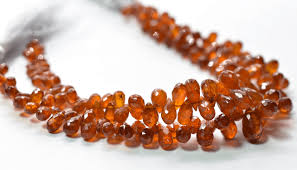
- Semi-Precious Gemstones: This is a broad category that includes a huge variety of stones. Popular options include amethyst (purple), citrine (yellow), garnet (deep red), turquoise (blue-green), and quartz (which comes in many colours, including rose and smoky). They offer a beautiful and more affordable way to incorporate natural stones into your work.
Types of Beads
Beads are a staple in jewellery making and are available in countless materials.
- Glass Beads: From tiny seed beads to large, lampwork focal beads, glass offers incredible versatility. They can be transparent, opaque, or iridescent, and they come in uniform shapes or organic, free-form styles.
- Crystal Beads: Faceted crystal beads are known for their brilliant sparkle. They catch the light beautifully and add a touch of glamour to any piece. They are a popular choice for elegant earrings, bracelets, and necklaces.
- Wooden and Seed Beads: For a more natural or bohemian look, wooden beads are an excellent choice. They are lightweight and come in various natural tones and stained colours. Seeds and nuts can also be used as beads, adding an earthy, organic texture.
Natural and Organic Materials
Beyond metals and stones, many natural materials can be transformed into beautiful pieces of Handmade Jewellery. These options often provide a unique, one-of-a-kind feel.
Wood
Wood is a warm, lightweight, and versatile material. Different types of wood, from light-coloured maple to dark walnut, offer a range of aesthetic options. It can be carved, laser-cut, painted, or left in its natural state. Wood is perfect for creating earthy pendants, beads, and bangles.
Leather and Fiber
Leather cord is a popular choice for stringing pendants and beads, offering a rustic and durable alternative to metal chains. It comes in various colours and thicknesses. Similarly, materials like silk, cotton, and hemp cord are used in braiding and knotting techniques, such as macrame, to create beautiful textile-based jewellery.
Shell, Bone, and Horn
These materials have been used in jewellery making for thousands of years. Shells, with their natural iridescence, are perfect for creating coastal-inspired pieces. Bone and horn can be carved into intricate pendants and beads, offering an tribal or ancient aesthetic. It’s important to ensure these materials are sourced ethically.
Modern and Synthetic Materials
Innovation has introduced new materials into the world of jewellery making, expanding creative possibilities even further.
Polymer Clay
Polymer clay is a modeling clay that hardens when baked in a home oven. It comes in a vast spectrum of colours and can be mixed to create custom shades. You can shape it, texture it, and mold it into almost any form imaginable, from delicate flowers to geometric shapes. This makes it an incredibly versatile material for creating unique Handmade Jewellery.
Resin
Epoxy resin is a two-part liquid that hardens into a clear, durable plastic. It’s perfect for embedding small objects like dried flowers, glitter, or even tiny pictures. You can also add pigments to create colourful, opaque, or transparent effects. Resin allows for the creation of glossy, customized pendants, earrings, and rings.
Recycled Materials
Creating Handmade Jewellery from recycled materials is not only eco-friendly but also pushes creative boundaries. Items like sea glass, broken pottery, plastic bottles, and paper can be repurposed into stunning, wearable art. This approach gives new life to discarded objects and results in pieces that tell a unique story.
To read more blog: How to Choose the Perfect Diamond Jewellery in Pakistan
Last Words
The best material for your Handmade Jewellery depends entirely on your design, your budget, and your personal style. For timeless elegance, precious metals and gemstones are unparalleled. If you are exploring fashion jewellery or practicing new techniques, base metals and glass beads are excellent starting points. For something truly unique, consider working with natural materials like wood or modern ones like resin.
There is no single “best” material, only the one that is best for your specific project. The joy of making Handmade Jewellery is the freedom to experiment. Don’t be afraid to mix and match different elements. Combine metal with leather, add wooden beads to a silver chain, or embed natural flowers in resin. By exploring the vast world of materials, you can unlock your creativity and craft pieces that are truly your own.